where Africa comes to you..
Giraffe
Parent page
On this page
Introduction to Giraffes
Description and Characteristics
There are nine recognized subspecies of giraffe: Nigerian, Kordofan, Nubian, Reticulated, Rothschild, Masai, Thornicroft, Angolan and South African (or Cape).
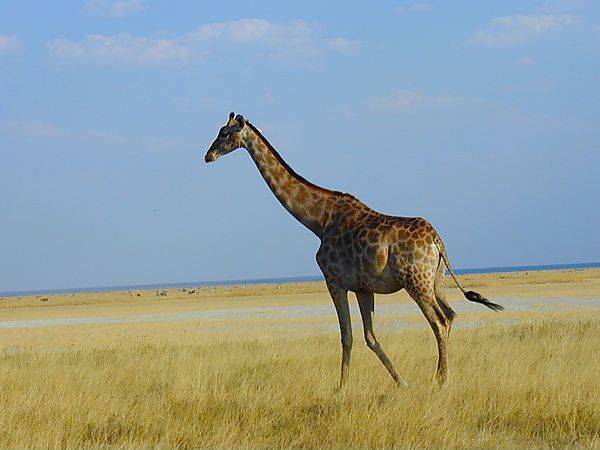
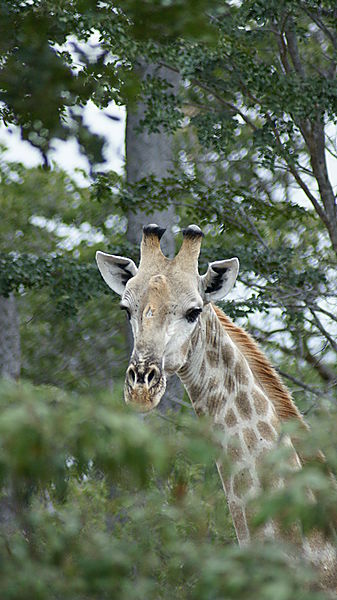
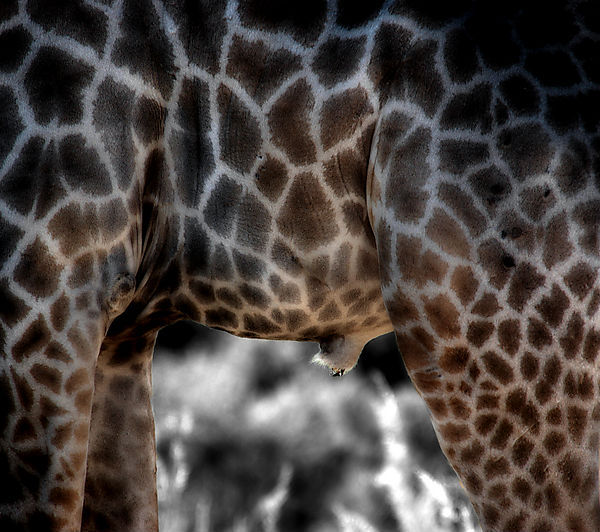
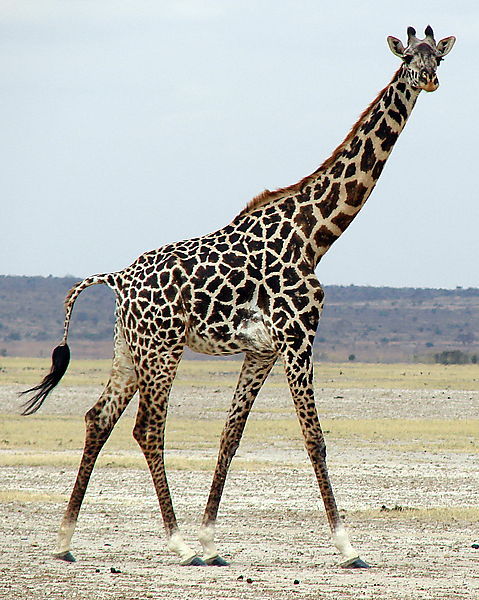
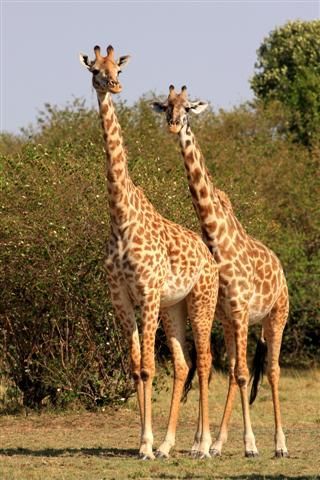
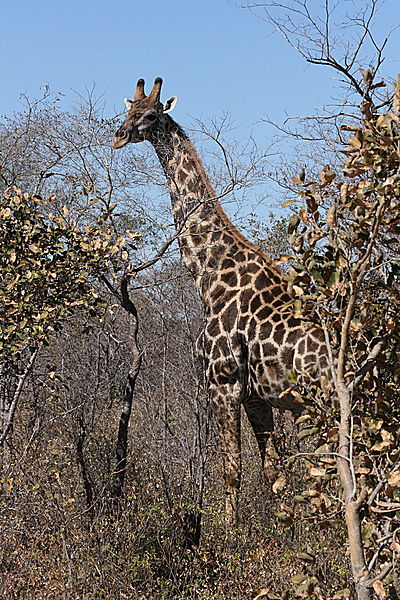
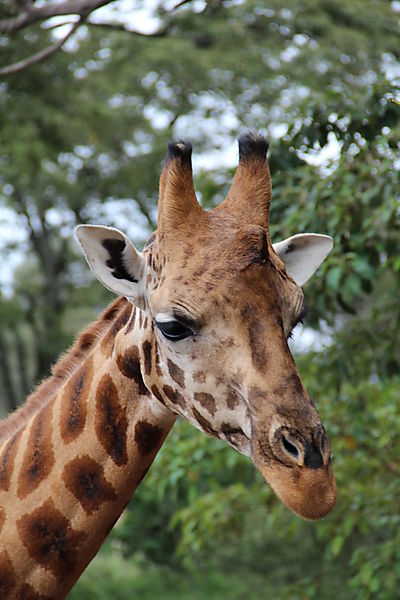
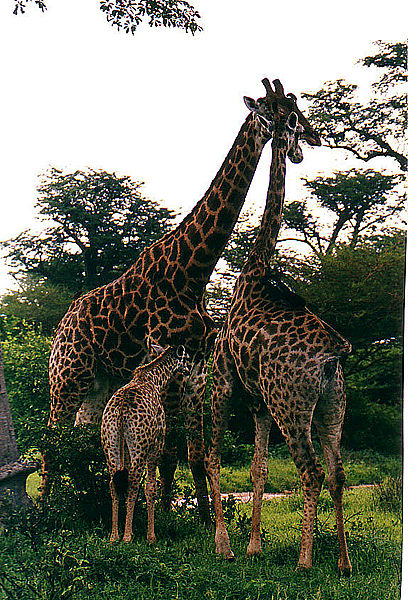
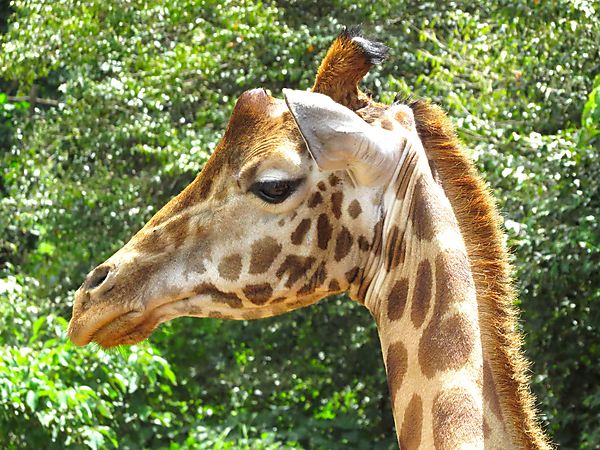
The Giraffe is the tallest of all land mammals, fully grown its horn tops reach up to 6 metres above ground level and a calf is born 6ft tall on average. They are well known for their long necks, which can can be 6-7 feet in length, but surprisingly the Giraffe has the same number of vertabrae in their necks a a human. Giraffes have spotted patterns; each one having it's own unique pattern. They have small "horns" or knobs on top of their heads that grow to be about five inches long. These knobs are used to protect the head in fights.
Feeding/drinking Habits
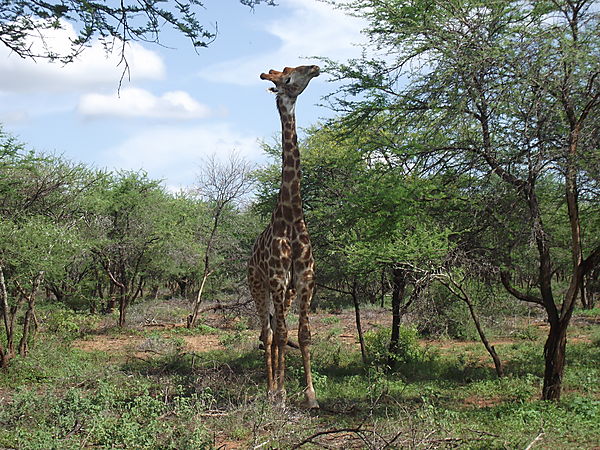
Their long necks help giraffes eat leaves from tall trees, typically acacia trees. The tongue of a giraffe can be as long as 45 cm.
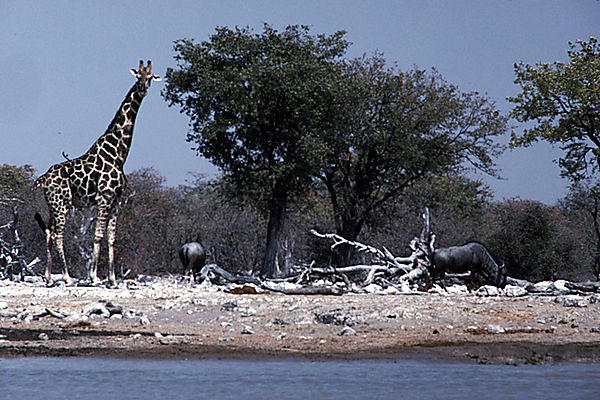
In dry, arid areas giraffes can go for several days without water rely on remaining hydrated from the moisture content in the leaves they feed on. If there is water readily available they will drinks daily, they need to splay their forelegs and bend their knees to get their long neck to reach down to the walter
Habitat
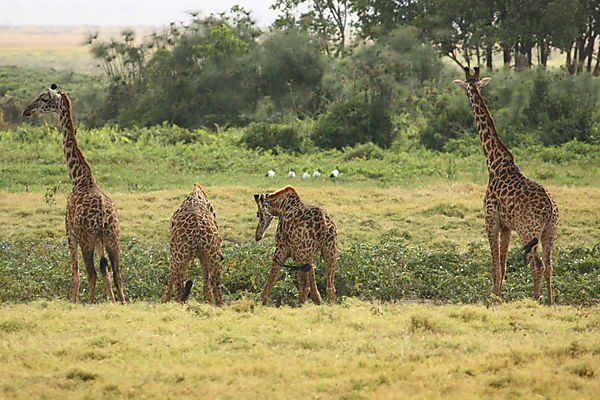
Giraffes mainly in the savannahs of Africa, where they roam freely among the tall acacia trees, arid land, dense forests and open plains. Most popular national parks to spot giraffes are Murchison Falls N. P. in Uganda, the Masai Mara and Laikipia in Kenya, the Serengeti NP in Tanzania, South Luangwa NP in Zamibia, Etosha NP in Namibia, Okavango Delta in Botswana, Hwange NP in Zimbabwe and Kruger NP in South Africa.
Size and Lifespan
Males weigh between 2,400 and 4,000 pounds and are up to 18 feet tall. Female giraffes are smaller and lighter than males, and weigh between 1,600 and 2,600 pounds and grow to be about 16 feet tall.
Giraffes live to an age of around 25 years in the wild
Reproduction
The gestation period for giraffes is between 14-15 months, afyer which a single calf is born (very occasionally they have twins). Mothers give birth standing up. Generally there 16-month period between calving due to such a long gestation period. Breeding can occur at any time of the year, with the conception peak generally happening in the rainy season.
Predators and Threats
Adult Giraffes do occassionally get attacked by lions but it is not common, however, the calves are particularly vulnerable and their main predators are lion, leopards, wild dogs and the spotted hyena. Sadly up tp 50% of calves do not survive their first year.
Giraffes are hunted for their meat, coat and tails. The tail is prized for good luck bracelets, fly whisks and string for sewing beads. The coat is used for shield coverings. Habitat destruction and fragmentation are threats to giraffe populations.