where Africa comes to you..
Malawi People and Culture
Parent page
On this page
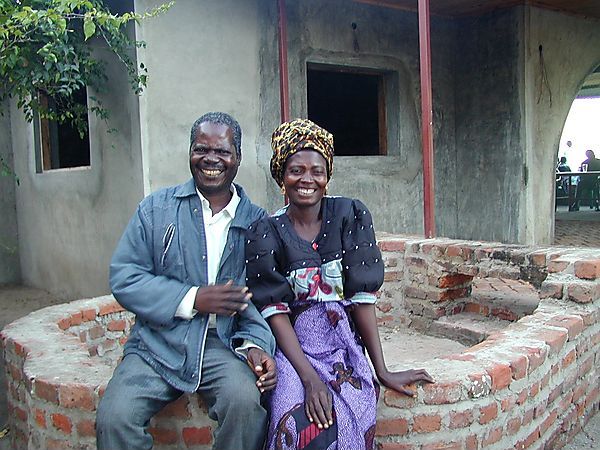
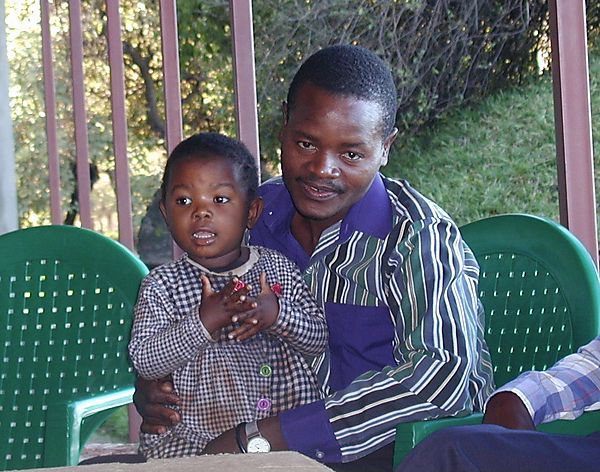
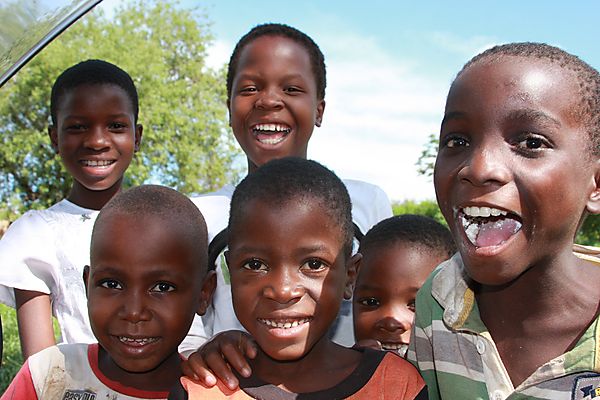
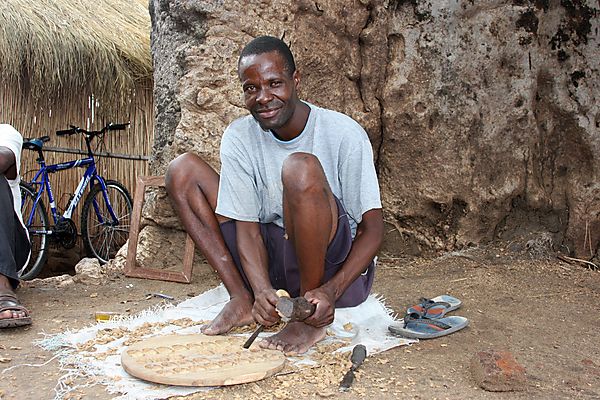

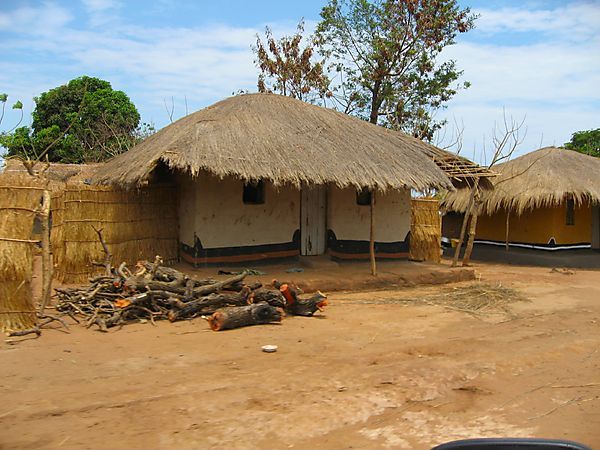
Malawi is often called the "warm heart of Africa." because of the warmth and friendliness of the people. Malawians typically live with their extended families in huts that are grouped together in villages. A spirit of cooperation prevails as family members share both work and resources.
Malawi has a population of about 16 million (2013 est.), with 90% of the population living in the rural areas.
The Malawi people are of Bantu origin with the ethnic groups including Chewa, Nyanja, Yao, Tumbuka, Lomwe, Sena, Tonga, Ngoni, Ngonde, Asian and European.
The Chichewa (Chewa) people form the largest part of the population and are mostly in the central and southern parts of the country.
The Yao people are predominately found around the southern area of Lake Malawi.
Tumbuka are found mainly in the north of the country.
There are very small populations of Asian and European people living mainly in the cities.
English is the official language and is very widely spoken, particularly in main towns, but sometimes also in remote rural areas.
Chichewa / Chinyanja
Chichewa is the common national tongue widely used throughout the country where, from 1968 until recently, it has served as the national language.
Chichewa words/phrases and their meanings in English
University of Malawi
Centre for Language Studies - to promote and develop Malawian languages - offers courses in intense Chichewa.
Of the other languages spoken in Malawi, Tumbuka is spoken by about 500,000 people in the north, and Yao is spoken by about 600,000 people in the south.
Chichewa Online dictionary
The Chewa people, who form the largest part of the population predominantly are Christian / Protestant and the Yao people are mainly Muslim.
The religious groups in Malawi can be broken down aproximately as follows:
Protestant 55%
Muslim 20%
Roman Catholic 20%
for traditional indigenous beliefs and other minor religions 5%
The staple diet is white maize eaten with vegetables and, on occasion, fish or meat.
Staple Food
Nsima
Mbatata Biscuits - sweet potato
Malawian Desserts
Nthochi (banana) Bread
Mbatata (sweet potato) Cookies
Mtedza (peanut) Puffs
Zitumbuwa (banana fritters)
Cooking a traditional Malawian meal
more recipes from Malawi
The music traditions of Malawi are rich with cultural influences that include those of the Zulu Ngoni people from South Africa, the Islamic Yao people of Tanzania and others.
Most tribes have their own individual songs and dances. Common musical instruments to be found include drums, the mambilira, (which is similar to the western xylophone) rattles of different types and sizes, shakers which are tied to dancers legs and arms and are often known as maseche.
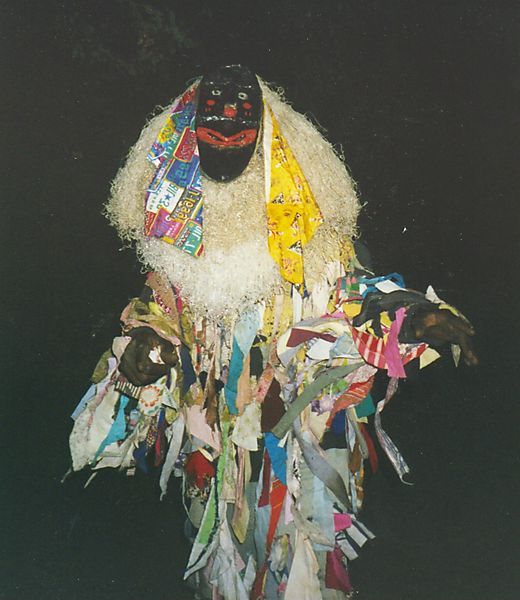
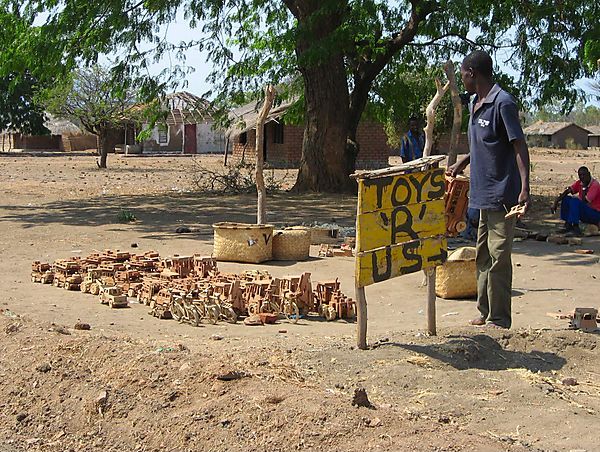
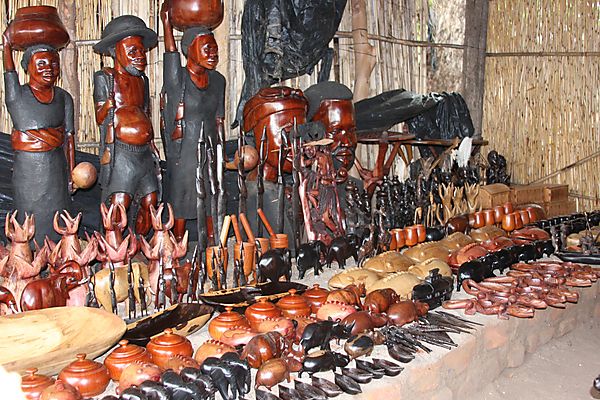
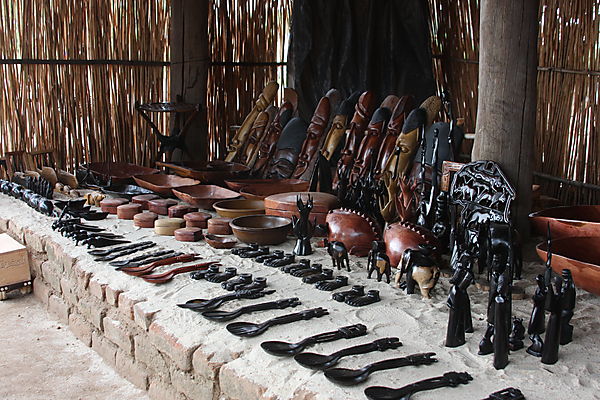
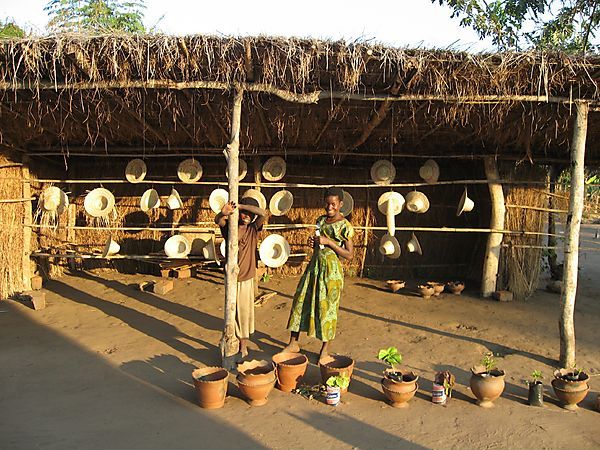
Malawi produces various colourful arts and crafts which are handworked to a high standard. There are many craft markets spread throughout the country and along the roadsides.
Chief chairs are a very popular item and can be found throughout the country.
The batiks in particular capture the vibrancy of Malawian culture, depicting the traditional with a modern appeal. Batik cloth prints are created using a traditional wax resist dyeing process.