| |
| |
|
|
| |
Africa Guide Newsletter: Web Version 2012-01-12
In this issue: Focus on African Safari Wildlife
Recommended safaris. A selection of wildlife photos. Photography & Spotting Wildlife. |
|
| |
|
|
| |
| Family Safaris |
|
|
|
|
|
| Budget Safaris |
|
|
|
|
|
| Luxury Safaris |
|
|
|
|
|
|
| Wildlife Scenes from our Photo Library |
(view our full photo library) |
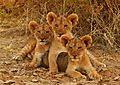
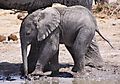
| Young Animals |
|
|
|
|
|
| Family Groups |
|
|
|
|
|
| Wildlife and Scenery |
|
|
|
|
|
|
| Photography & Spotting Wildlife Tips |
| Wildlife Photography |
- The best times for wildlife activity are early morning and late afternoon. It gets hot out there and animals like to take it easy in the hottest parts of the day just as we do. This is also the best time
for photography as the light is soft and gives more definition of your subject against its background, during the hot parts of the day the light can be too harsh.
- You will most likely be in a vehicle which makes a tripod impractical, try using a beanbag or a cloth bag filled with uncooked rice. It can be moulded easily to any surface and your cameras base at will.
If you are on a walking safari a monopod with a detachable camera shoe is the best for quick and easy photos and can also be a handy walking stick.
- To get the best wildlife shots you will most of the time (not always!) need a zoom lens. Consult a camera stockist before you go as to the best one for your camera (300 - 500mm is usual)
|
|
|
| Spotting Wildlife |
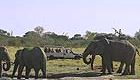
- While at a waterhole (see photo) taking photos through my open vehicle window I have been surprised to see a pride of lions walk
past only a few feet away and coming from behind the vehicle, keep an eye out in all directions, animals arrive all the time at waterholes.
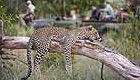
- Leopards (see photo) have excellent camouflage and tend to leave their tail hanging when laying or sitting on a tree branch,
look for a moving branch it may be a leopards tail.
- Look for movement of other animals. Look behind running zebras or other plains animals (see photo) its likely they are escaping
a predator.
- Look up. Vultures (see photos) fly in and congregrate close to kills, arriving from afar by keeping an eye on
other vultures flying nearby. When one diverts others follow and so on, late arrivals can come from many miles away. Circling vultures can be a sign but if they are rising its likely they are gaining height from a thermal of hot air in order to continue gliding easily. (flapping wings takes a lot
of energy)
|
|
|
|
| |
|
|





 2 reviews